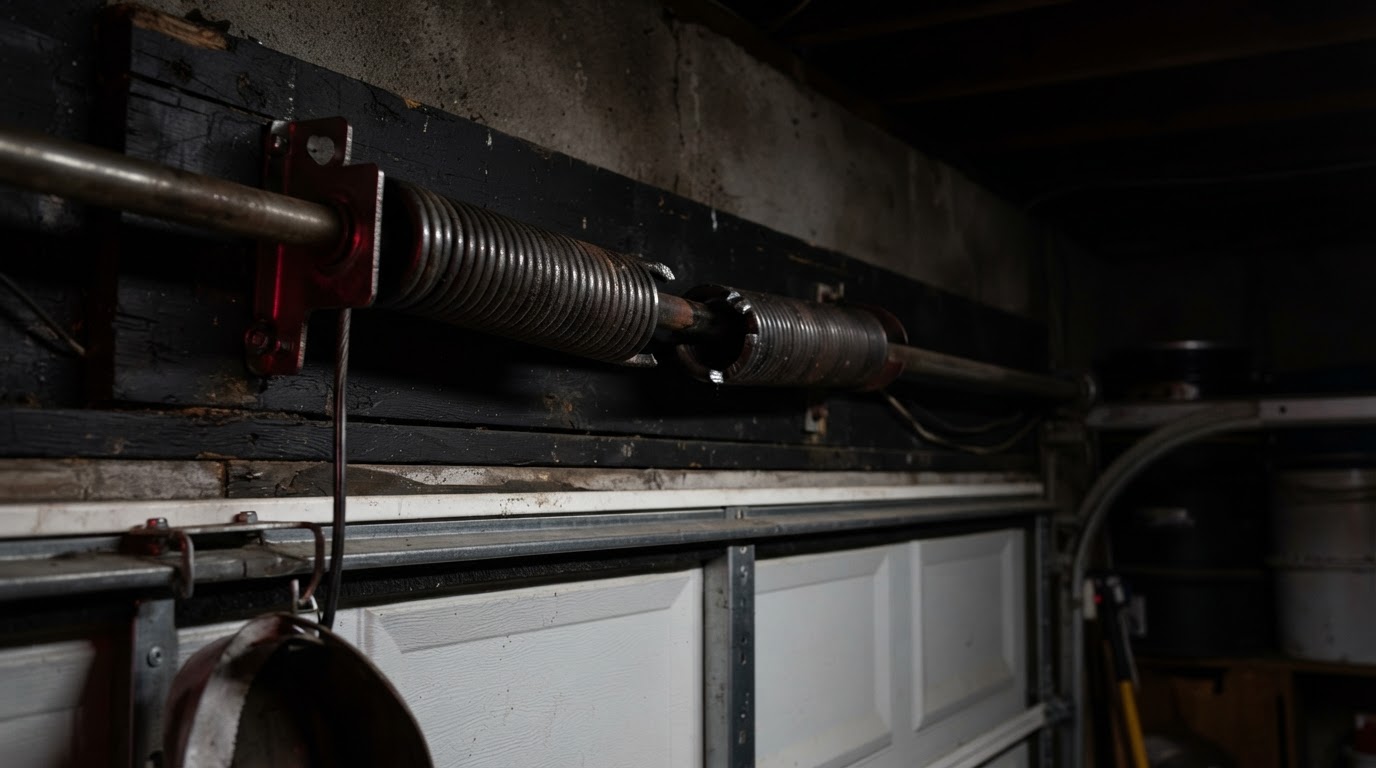
A broken garage door spring is one of the most common — and most disruptive — problems a homeowner runs into. The springs do almost all of the heavy lifting for your door, so when one fails the door usually stops working on the spot. The good news is that the warning signs are easy to recognize once you know what to look for, and a few simple checks can help you decide what to do next.
Listen for the loud bang
Torsion springs sit under a lot of tension, and when one breaks it usually lets go all at once. Many homeowners describe hearing a loud bang or a gunshot-like crack from the garage, often while they're inside the house. If you heard that sound and your door stopped working, a broken spring is the first thing to suspect.
Extension springs (the ones that run along the horizontal tracks) can also snap, though the noise is sometimes a little less dramatic. Either way, a sudden loud noise paired with a door that won't lift is a strong indicator.
Check the gap in the spring
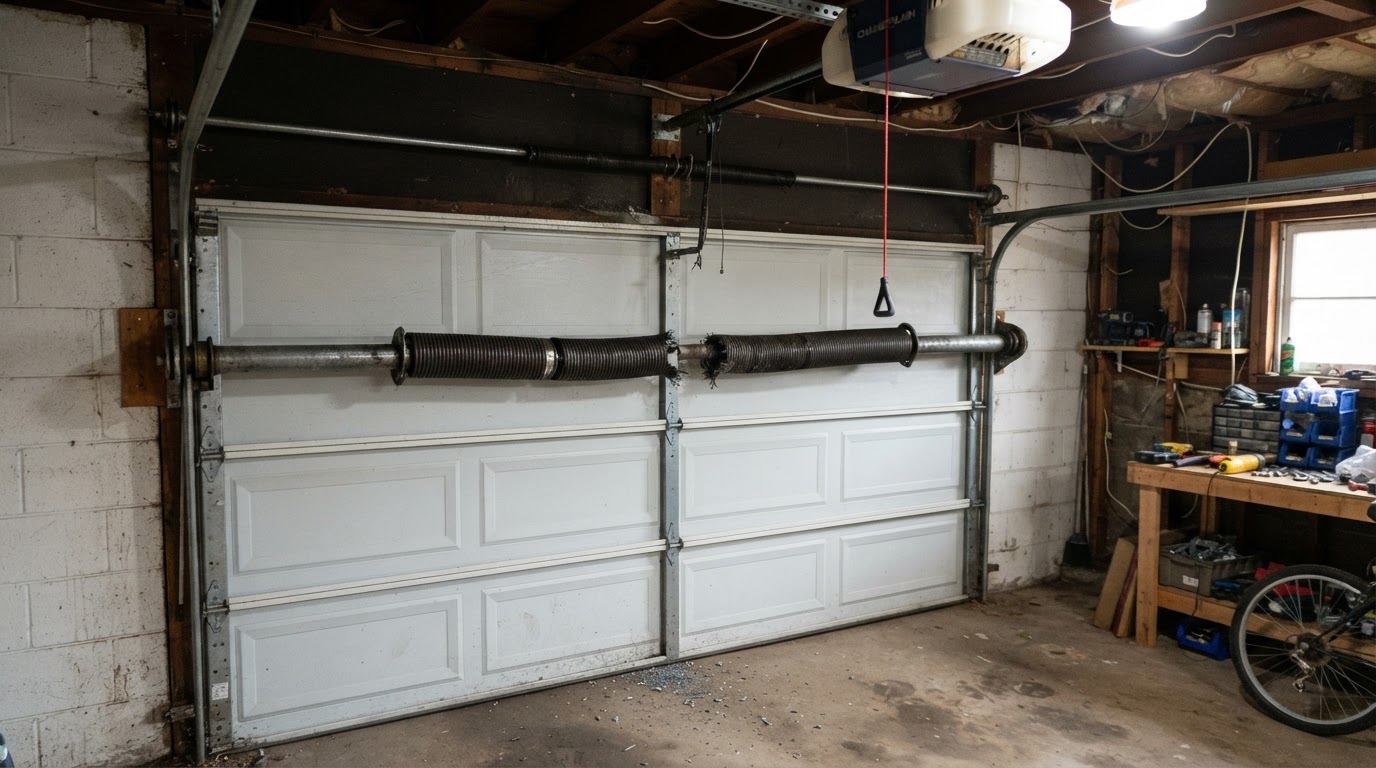
With the door closed, look up at the torsion spring above the door opening. A healthy spring is one continuous, tightly wound coil. A broken spring will have a visible gap — often an inch or two wide — right where it snapped. That gap is the clearest visual confirmation you can get without touching anything.
If you have extension springs instead, look along the tracks on each side for a spring that's split in two or visibly separated.
Try lifting the door by hand (carefully)
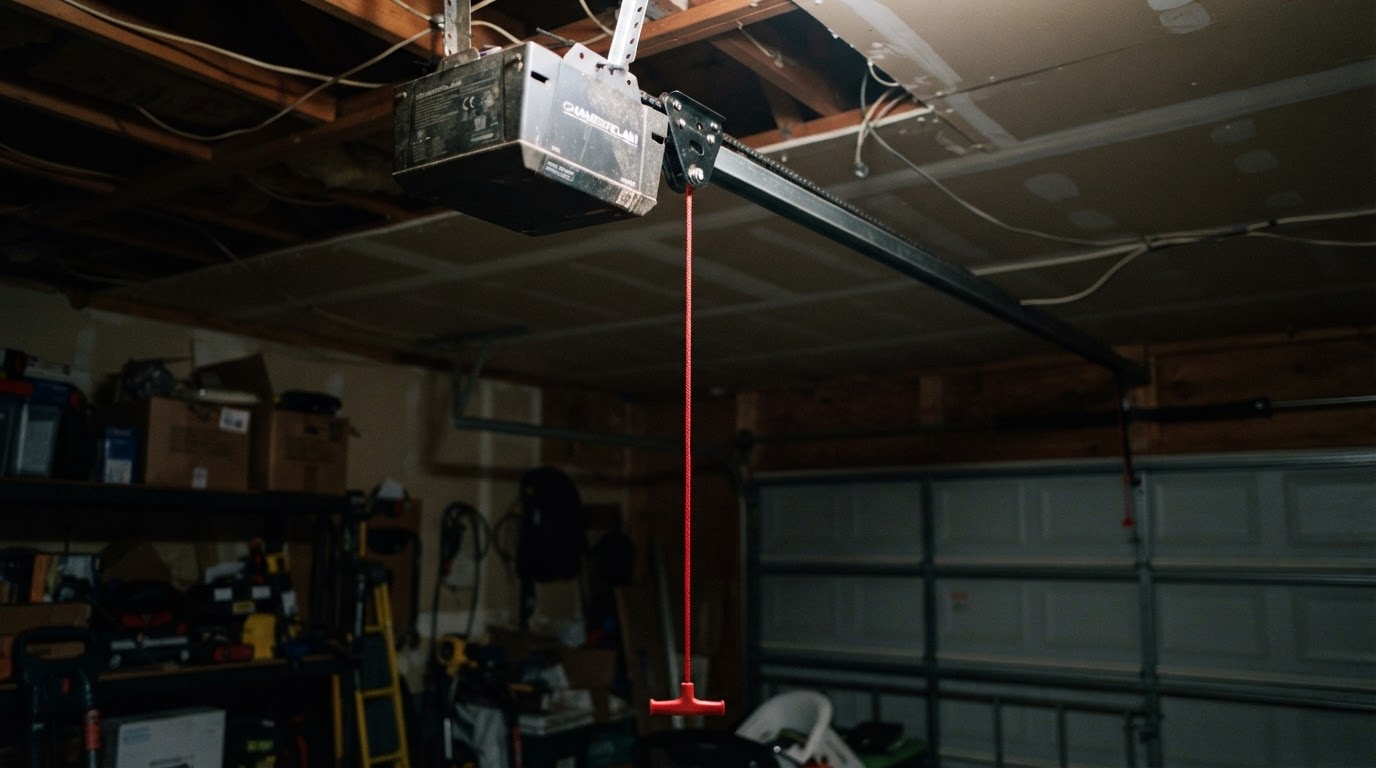
Disconnect the opener using the red emergency release rope, then try to lift the door a few inches by hand. A door with good springs should feel relatively light and balanced. If it feels extremely heavy, or falls back down as soon as you let go, the spring is likely broken or has lost its tension.
Never force a heavy door open. A door that's being held up by the opener alone is dangerous — the opener wasn't designed to lift the full weight of the door, and the door can crash down if anything slips.
Watch for an uneven or jerky door
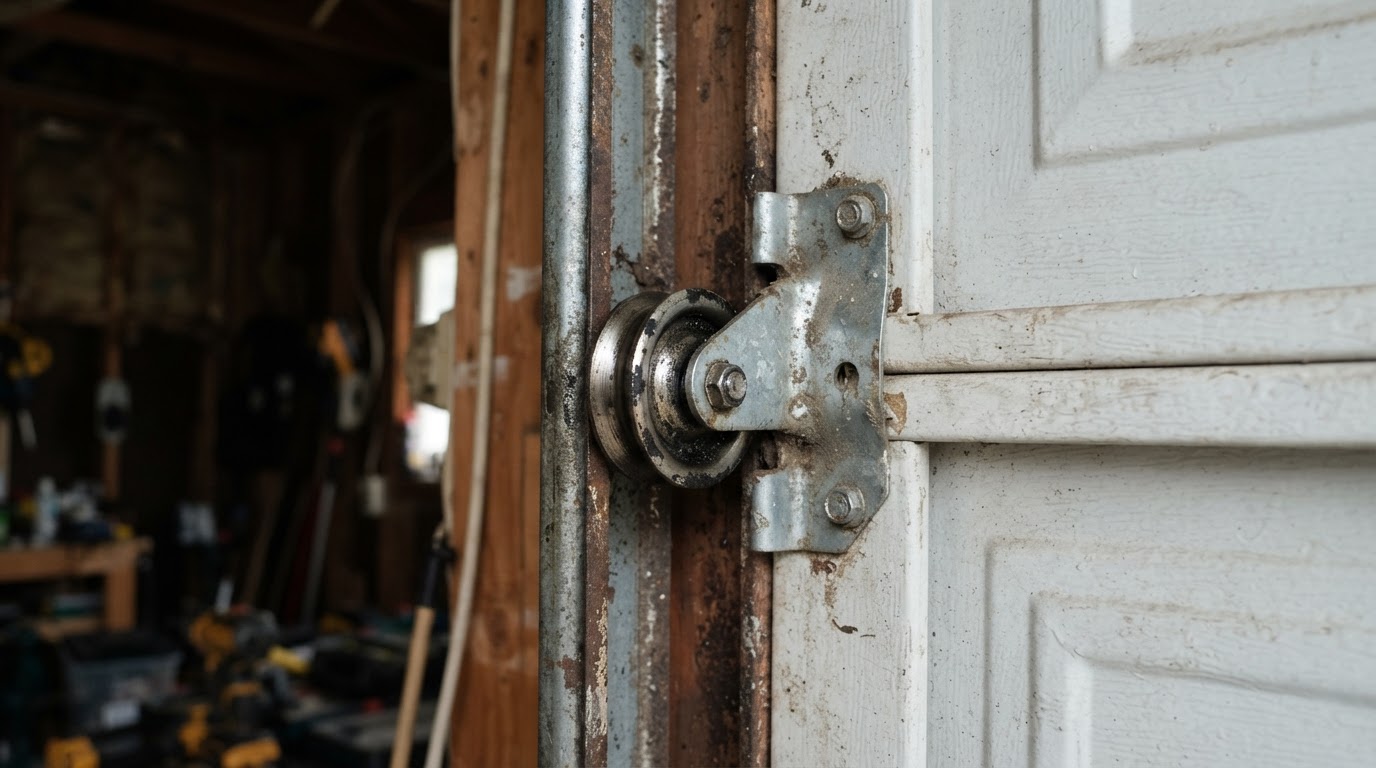
If one of two springs breaks, the door may lift unevenly or stop and start jerkily. You might also notice the cables look loose or slightly off their drums. An unbalanced door puts strain on the tracks, rollers, and opener, so running it in that condition can cause secondary damage.
If you see any of these signs, stop using the door and keep people and cars away from it until it's been inspected.
What not to do
Garage door springs are under extreme tension and are one of the most dangerous parts to work on in a home. Do not attempt to wind, unwind, or replace a spring yourself unless you have the correct winding bars and training. Improperly adjusting a torsion spring can cause serious injury.
Also avoid holding the door open with props or running a broken door on the opener. The safest move is to leave the door closed, stay clear of it, and call a professional.
Frequently Asked Questions
It's possible to open it manually in some cases, but it's not recommended. Without spring tension the door is extremely heavy and can fall unexpectedly. The safest option is to leave the door closed and have a technician replace the spring before using the door again.

Written by
Clint Fields
Clint Fields is the owner and lead technician at Door Fellas Garage Door Service in New Orleans. He works hands-on with garage doors across the Greater New Orleans area every day — from torsion spring replacement and opener installation to routine maintenance and emergency repairs — and writes these guides to help homeowners understand their doors and know when it's time to call a professional.
Talk to Clint's team — +15042520233Last reviewed October 10, 2026