Your garage door is likely the largest moving part in your home, and it opens and closes thousands of times a year. A professional tune-up keeps it running quietly, safely, and reliably — but not every tune-up is the same. Here's what a thorough maintenance visit should actually include, so you know what you're getting.
A full visual and mechanical inspection
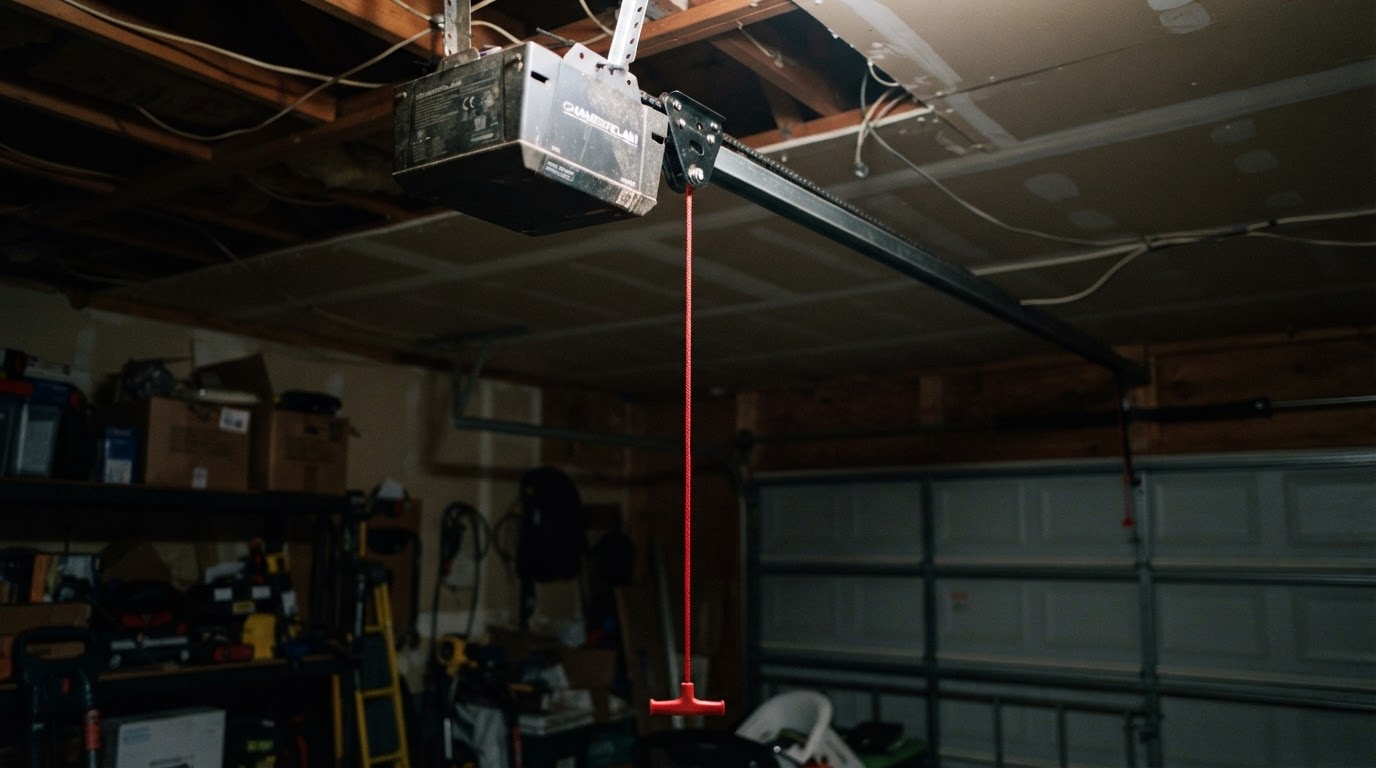
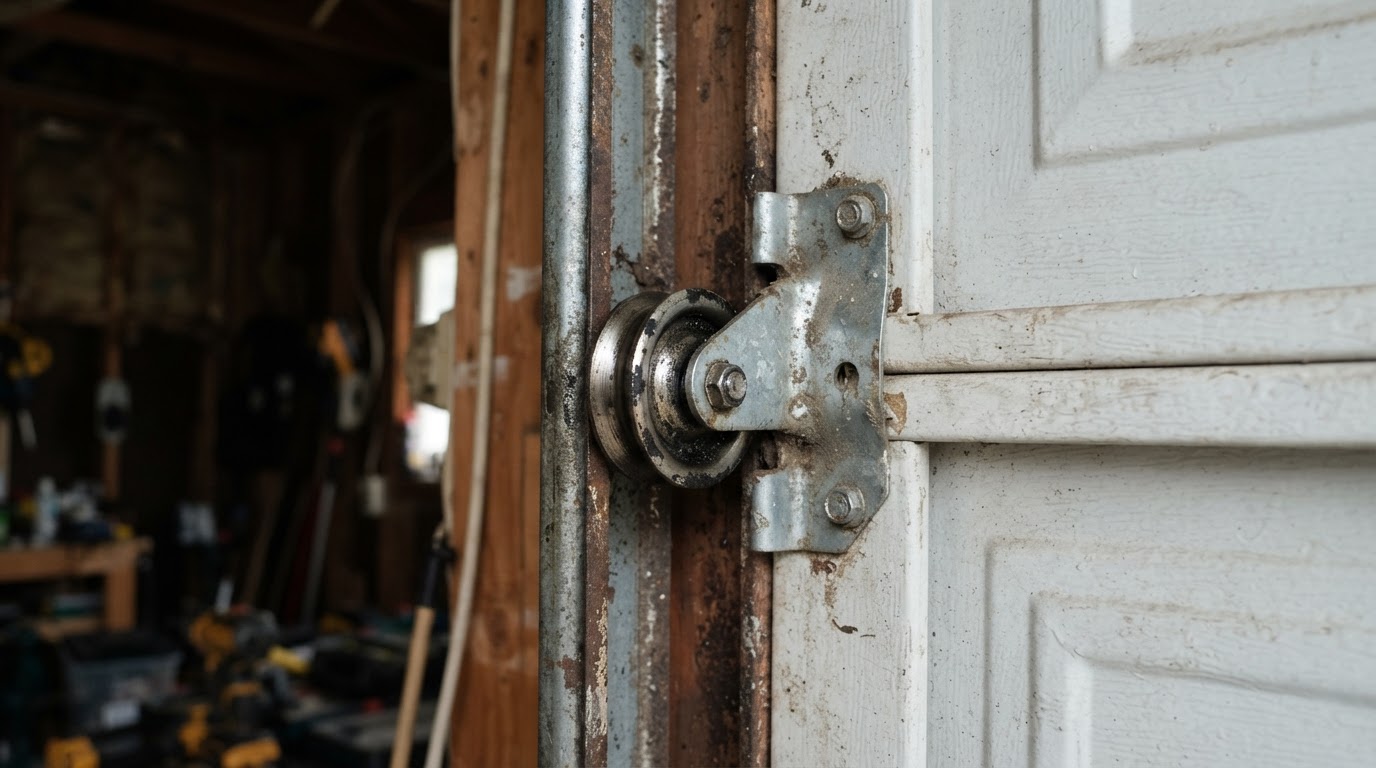
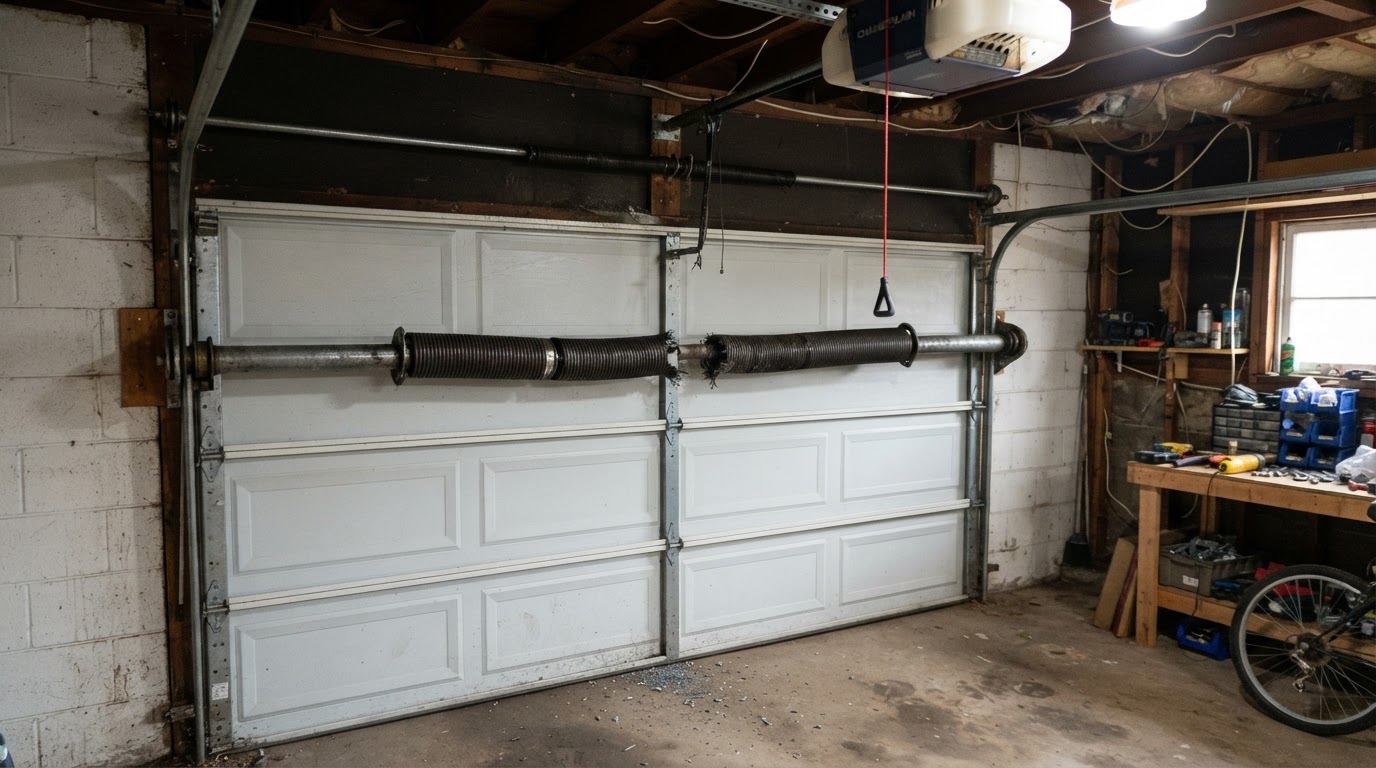
The visit should start with a careful inspection of the whole system: springs, cables, rollers, hinges, tracks, drums, and the opener itself. The technician is looking for worn parts, loose hardware, frayed cables, and anything that could fail soon. Catching a worn roller or a fatigued spring early can prevent a breakdown at the worst possible time.
This is also when small alignment issues with the tracks get spotted, before they start wearing on the rollers or stressing the door.
Lubrication of moving parts
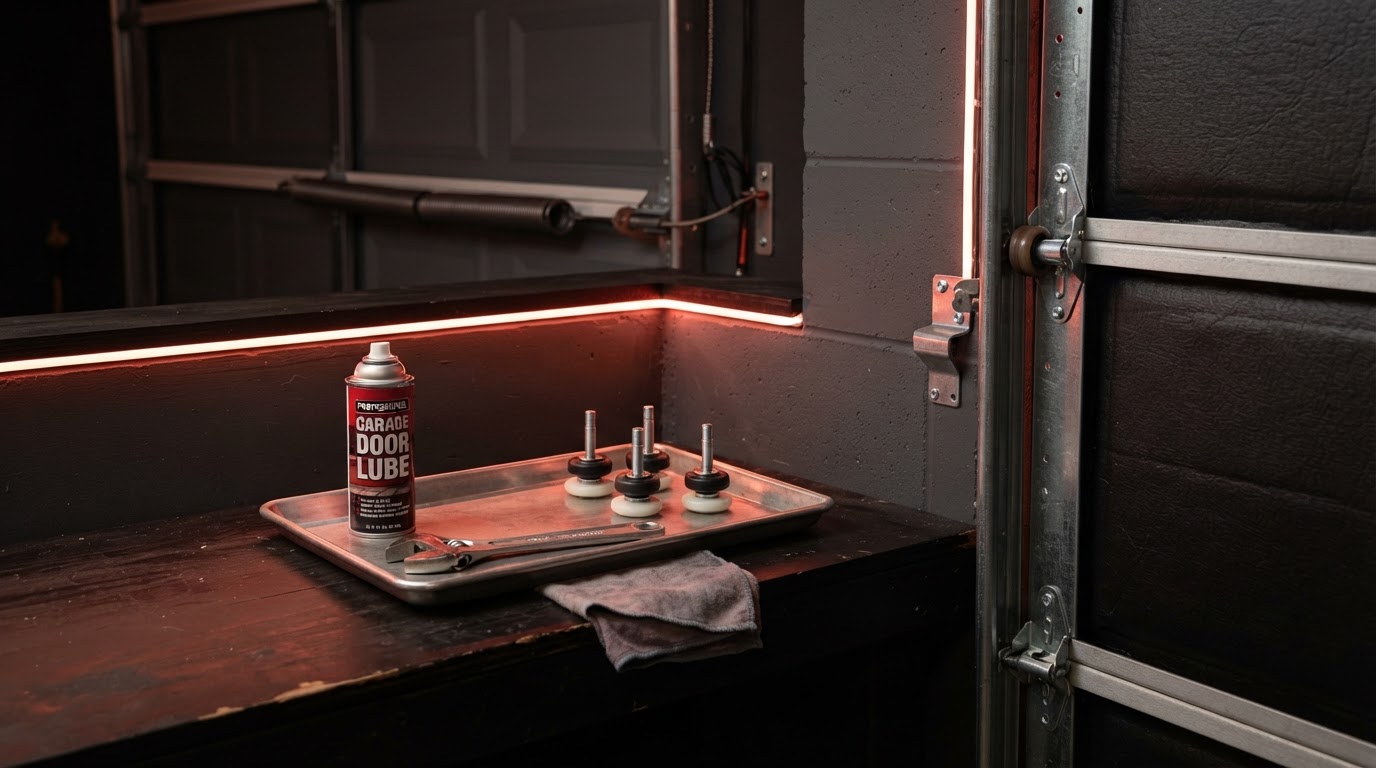
Proper lubrication reduces friction, quiets the door, and extends the life of the parts. A tune-up should include lubricating the springs, rollers, hinges, and the opener's drive (chain, belt, or screw) with the right product for each part.
It's worth noting that not everything should be lubricated — spraying the tracks, for example, can actually attract dirt and cause problems. A professional knows where lubricant helps and where it doesn't.
Balance and force testing
A balanced door is essential for safe, efficient operation. The technician will disconnect the opener and check whether the door stays in place when lifted halfway. If it sags or slams, the springs need adjustment.
The opener's force settings and travel limits are also tested to make sure the door reverses properly when it meets resistance. These safety settings protect both people and property.
Photo-eye / safety sensor check
Since 1993, garage door openers have been required to have photo-eye sensors that reverse the door if something breaks the beam. The tune-up should verify that these sensors are aligned, clean, and working. If the door doesn't reverse when the beam is broken, it's a safety issue that needs to be corrected.
Hardware tightening and minor adjustments
Vibration loosens bolts and brackets over time. Tightening the hinge hardware, roller brackets, and track mounts is a small step that prevents rattles and keeps everything tracking straight.
If the inspection turns up a worn part — like a cracked roller or a cable starting to fray — the technician will point it out and recommend whether it should be addressed during the visit or scheduled as a separate repair.
Is a tune-up worth it?
Regular maintenance helps your door last longer, run quieter, and avoid emergency breakdowns — which are always more expensive and never convenient. For most homes, an annual tune-up is a reasonable cadence. Heavier-use doors, like on a busy family garage, may benefit from more frequent service.
Frequently Asked Questions
For most residential doors, once a year is a good baseline. If your door gets heavy daily use or you've started hearing unusual noises, scheduling a tune-up sooner can catch issues before they turn into repairs.

Written by
Clint Fields
Clint Fields is the owner and lead technician at Door Fellas Garage Door Service in New Orleans. He works hands-on with garage doors across the Greater New Orleans area every day — from torsion spring replacement and opener installation to routine maintenance and emergency repairs — and writes these guides to help homeowners understand their doors and know when it's time to call a professional.
Talk to Clint's team — +15042520233Last reviewed October 10, 2026