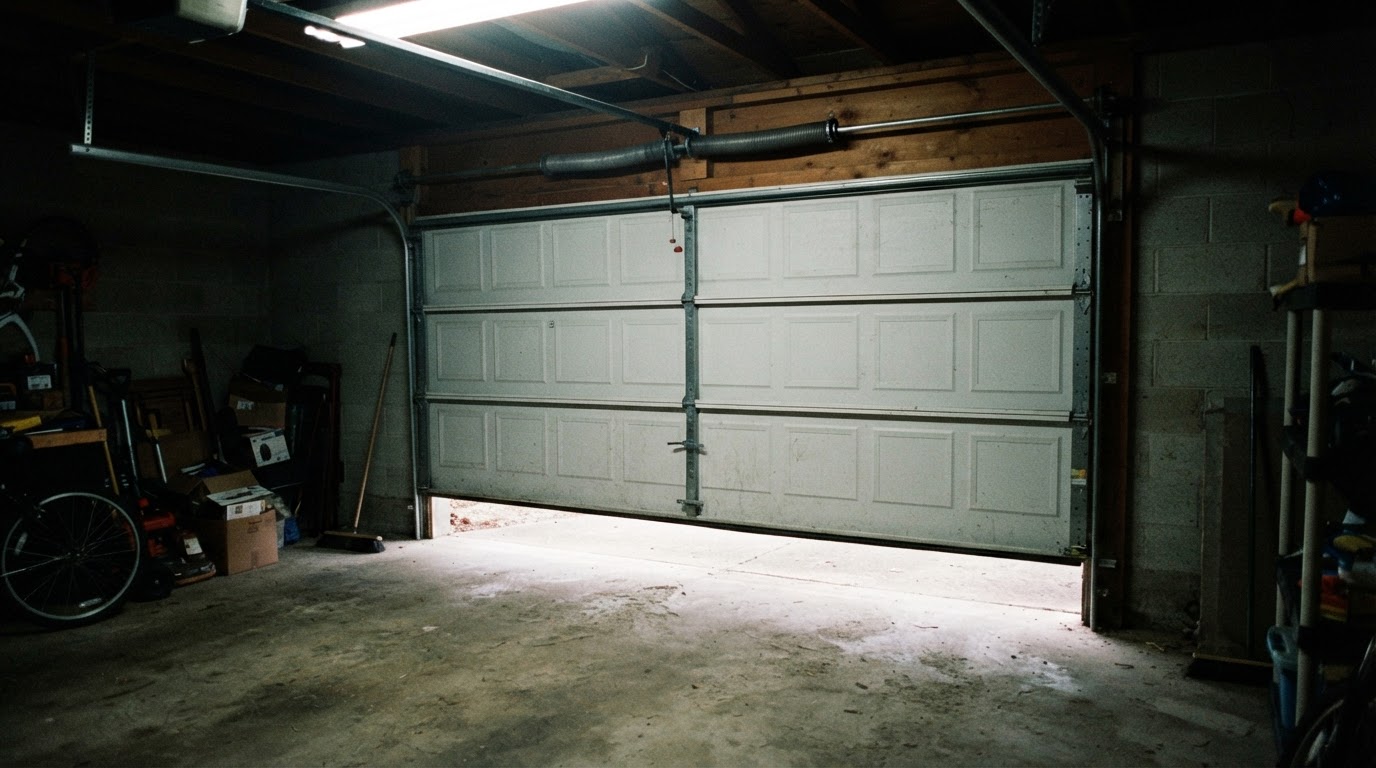
When a garage door starts opening only a few inches and then stops dead, it's both confusing and inconvenient — especially when your car is inside. The opener is getting the signal and trying to run, but something is cutting the cycle short. The cause almost always falls into one of three categories: a travel-limit or force setting, a binding track or roller, or a spring that can't lift the weight. Here's how to narrow it down safely.
Check the travel-limit and force settings
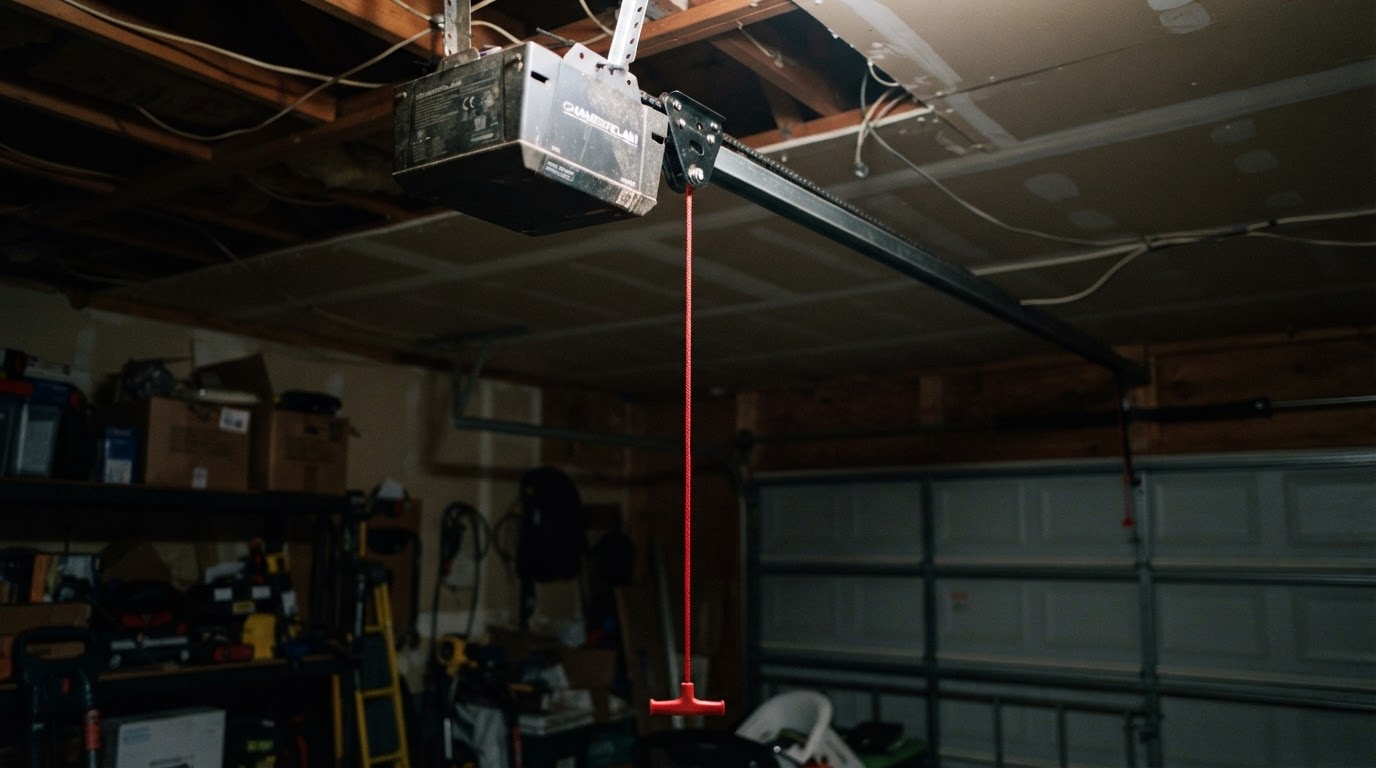
Openers use travel-limit screws (or digital limits on newer units) to tell the motor where 'fully open' and 'fully closed' are. If the up-limit is set too low, the opener stops the door just a few inches off the ground because it thinks it has reached the open position. Limit dials can drift over time from vibration or get bumped during other work.
A related culprit is the force setting. If the opener senses more resistance than its force limit allows, it stops and reverses to protect against obstructions. A door that's suddenly heavier than it used to be — from a weakened spring — can trip the force sensor in the first few inches of travel.
Look for a binding track or stuck roller
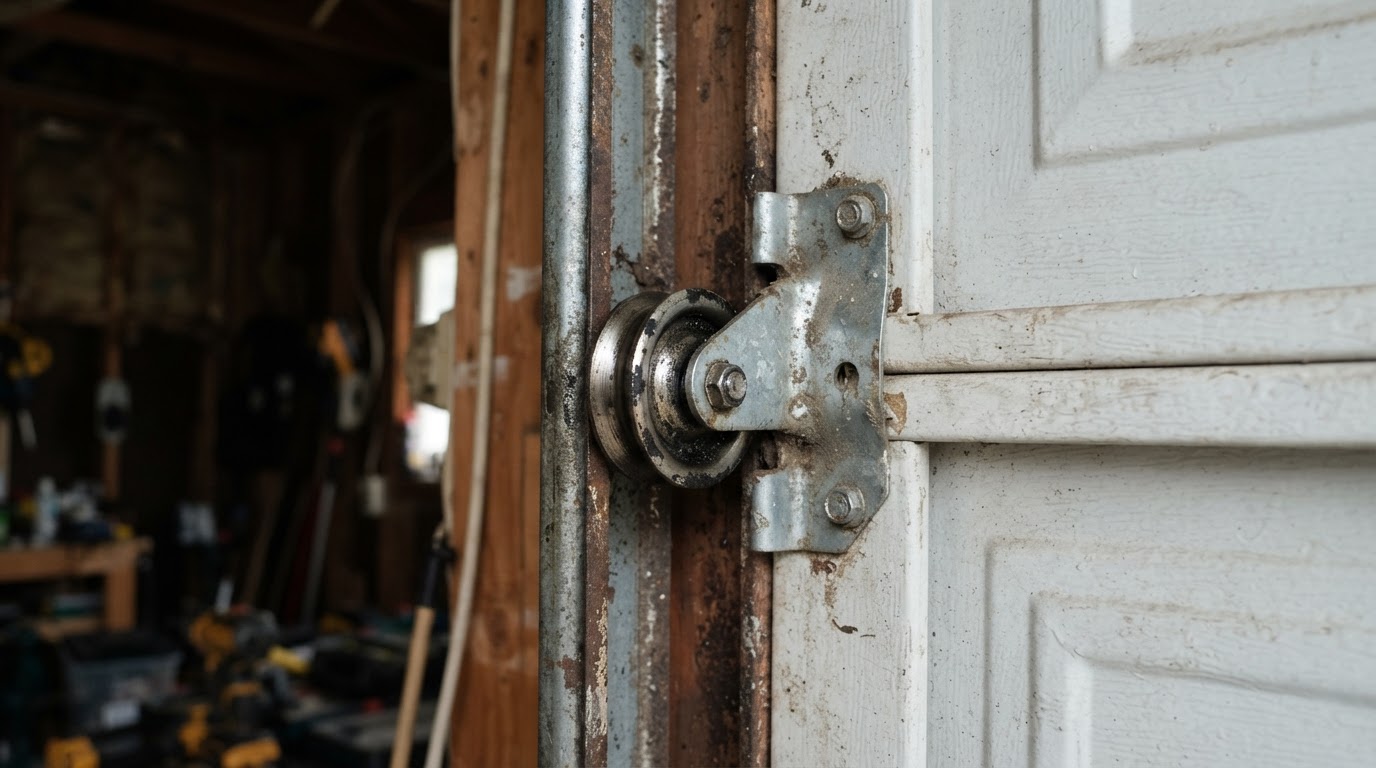
If a roller has come out of its track, or a track is bent or misaligned, the door catches almost immediately as it tries to rise. You'll often hear grinding or see the door shift sideways before it stops. This is a mechanical bind, and forcing the opener to push past it can bend the track further or strip the drive.
With the door closed, visually inspect the vertical tracks for dents, gaps at the seams, or rollers that have slipped out. If anything looks bent, stop and let a technician handle it.
Rule out a broken or weakened spring
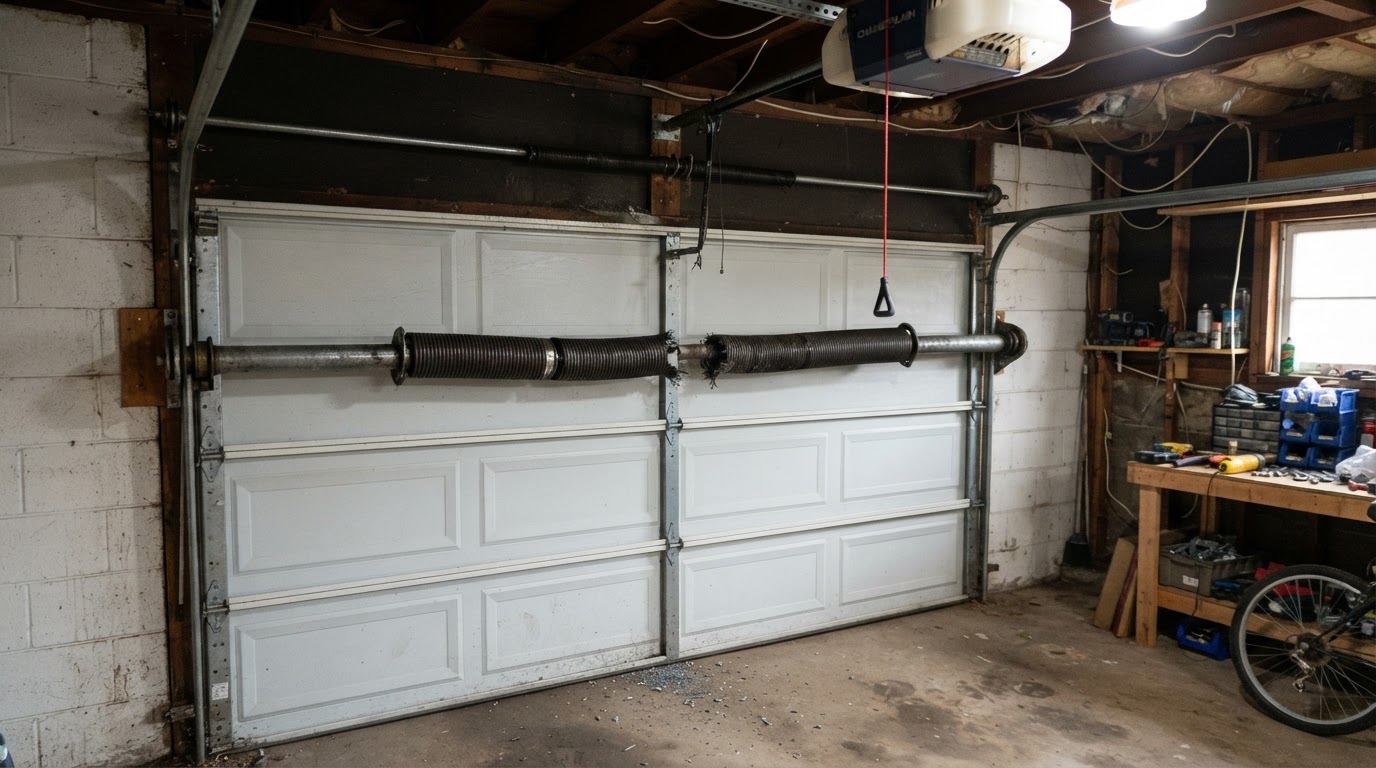
Springs counterbalance the door's weight so the opener only has to guide it. When a spring breaks or loses tension, the door becomes far heavier than the opener can lift, and it may rise a few inches before the force sensor trips and stops it. This is one of the most common reasons for the 'opens a little then stops' symptom.
Look up at the torsion spring for a visible gap, and with the opener disengaged, try lifting the door a few inches by hand. If it's alarmingly heavy, the spring is the likely culprit. Stop using the door — running a heavy door on the opener can burn out the motor.
Check the photo-eye sensors
If the safety sensors are misaligned or obstructed, the opener may stop the door early as a safety measure, especially on the down cycle. Some openers will also behave erratically on the up cycle if the sensor wiring is loose. Make sure the lenses are clean, facing each other, and that nothing is blocking the beam.
When to call a professional
If the tracks are bent, a spring is broken, or the door won't move smoothly by hand, these are not safe DIY fixes. Track realignment and spring replacement both involve significant force and are best handled by a technician. A professional can also recalibrate the travel and force limits correctly so the door runs its full cycle again.
Frequently Asked Questions
On many older openers the limit screws are accessible on the motor head, but adjusting them wrong can make the door slam or fail to close fully. If you do adjust them, do it in small increments and test carefully. If the problem returns, something else (like a spring) is changing the door's resistance.

Written by
Clint Fields
Clint Fields is the owner and lead technician at Door Fellas Garage Door Service in New Orleans. He works hands-on with garage doors across the Greater New Orleans area every day — from torsion spring replacement and opener installation to routine maintenance and emergency repairs — and writes these guides to help homeowners understand their doors and know when it's time to call a professional.
Talk to Clint's team — +15042520233Last reviewed October 13, 2026